“Those who have resources within themselves, who can dare to live alone, want friends the least, but, at the same time, best know how to prize them the most. But no company is far preferable to bad, because we are more apt to catch the vices of others than their virtues, as disease is far more contagious than health.”
Quote by Charles Caleb Colton
Work
Lacon, Or, Many Things in a Few Words: Addressed to Those who Think
This work delves into the principles of conciseness, offering insights into how to convey complex ideas effectively through minimal language. Aimed at those who appreciate the value of brevity, it serves as a guide to thoughtful and impactful communication. more
Author
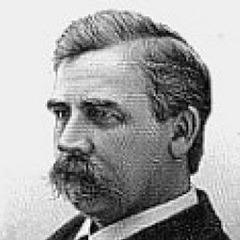
Charles Caleb Colton
Charles Caleb Colton was an English writer active from 1780 to 1832. Known for his humor and wit, he is particularly recognized for his aphorisms and satirical works. more
You May Also Like
Source: Lacon: Or Many Things in Few Words, Addressed to Those who Think
Source: Remarks on the Talents of Lord Byron and the Tendencies of Don Juan
Source: Remarks on the Talents of Lord Byron and the Tendencies of Don Juan
Source: Lacon: Or, Many Things in Few Words, Addressed to Those who Think
Source: Lacon: Or, Many Things in Few Words, Addressed to Those who Think
Source: Lacon: Or, Many Things in Few Words, Addressed to Those who Think
Source: Lacon, Or, Many Things in a Few Words: Addressed to Those who Think
Source: Lacon, Or, Many Things in a Few Words: Addressed to Those who Think