“I don't believe there's an atom of meaning in it.”
Quote by Lewis Carroll
Work
Alice's Adventures in Wonderland
This renowned work of children's literature, written by Lewis Carroll, combines elements of fantasy and satire. The narrative follows Alice's journey through a whimsical and often nonsensical world, where she encounters a variety of strange characters such as the Cheshire Cat, the Mad Hatter, and the Queen of Hearts. The story is celebrated for its imaginative storytelling and has become a staple in Western literature. more
Author
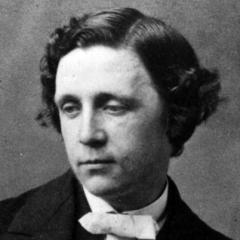
Lewis Carroll
Lewis Carroll, born Charles Lutwidge Dodgson, was an English writer, mathematician, logician, photographer, and children's author. He is best known for his novel Alice's Adventures in Wonderland, which is celebrated for its unique imagination, rich symbolism, and humor. more
You May Also Like
Source: Dracula
Source: A Clockwork Orange (Restored Text)
“Now let it work. Mischief, thou art afoot. Take thou what course thou wilt.”
“I have fallen short in my life, but my faith has always brought me home.”
Source: True Compass: A Memoir
“It is possible to be in love with you just because of who you are.”
Source: Shiver Trilogy (Shiver, Linger, Forever)
“Lukewarm living and claiming Christ's name simultaneously is utterly disgusting to God.”
Source: The Francis Chan Collection: Crazy Love, Forgotten God, Erasing Hell, and Multiply