“We don’t exhaust the Bible even after reading it hundreds of times. Each time we read it we see it in a new light. That is the greatness of the holy scriptures. They are that way because they were created by holy prophets who experienced the truth. Each time we read these works we elevate ourselves to see a little more. (81)”
Quote by Swami Satchidananda
Work
Integral Yoga: The Yoga Sutras of Patanjali
This book delves into the Yoga Sutras, a foundational text in the yoga tradition, providing a detailed exploration of the philosophy and practice of yoga as outlined by the ancient sage Patanjali. It covers the eight limbs of yoga, including moral disciplines, postures, breathing exercises, and meditation, aiming to lead the practitioner towards a state of self-realization. more
Author
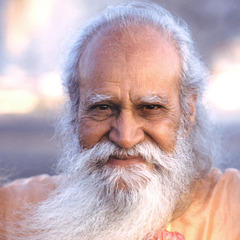
Swami Satchidananda
Swami Satchidananda was an Indian yoga master born on December 22, 1914, and passed away on August 9, 2002. As an author, he is renowned for his profound understanding of yoga philosophy and lifestyle. more
You May Also Like
Source: Integral Yoga: The Yoga Sutras of Patanjali
“Power brings a man many luxuries, but a clean pair of hands is seldom among them.”
Source: The Ghost
Source: Running with Scissors: A Memoir
“I'm not bitter. Why should I be bitter? I'm thrilled to death with life.”
Source: The Handmaid's Tale
“Art should be a place of hope.”
Source: Duma Key: A Novel