“Hospital waits are bad ones. The fact that they happen to pretty much all of us, sooner or later, doesn’t make them any less hideous. They’re always just a little too cold. It always smells just a little bit too sharp and clean. It’s always quiet, so quiet that you can hear the fluorescent lights - another constant, those lights - humming. Pretty much everyone else there is in the same bad predicament you are, and there isn’t much in the way of cheerful conversation. And there’s always a clock in sight. The clock has superpowers. It always seems to move too slowly. Look up at it and it will tell you the time. Look up an hour and a half later, and it will tell you two minutes have gone by. Yet it somehow simultaneously has the ability to remind you of how short life is, to make you acutely aware of how little time someone you love might have remaining to them.”
Quote by Jim Butcher
Book:Small Favor
Work
Small Favor
Browse quotes and source details for this work. more
Author
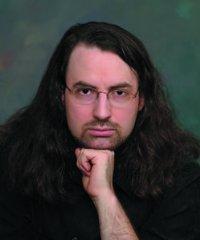
Jim Butcher
Jim Butcher, born on October 26, 1971, is an American fantasy author known for his unique world-building and imaginative storytelling. His 'Dresden Files' series has gained immense popularity among readers. more
You May Also Like
Source: The Scent of Time: A Philosophical Essay on the Art of Lingering
Source: Don't Know Jack
“Reacher was the kind of guy who solved all problems as permanently as possible.”
Source: Don't Know Jack
Source: Deliver Us From Evil
Source: Drinking Closer to Home
Source: Reacher Said Nothing Lee Child & The Mak
“I have spent my entire career trying to please the reader; I’m not a master, I’m the servant.”
Source: Killing Floor