“Ibn ul Farid, the thirteenth-century adept in practical and theoretical mysticism, lived in Cairo. He attained to permanent union with his real self (the Beloved) by getting rid of the dualistic illusion of two selves. "It is like a woman possessed by a spirit," he said. By casting off his self-existence he had found the Beloved to be his real self. "Naught save otherness marred this high estate of thine," the Beloved said to him, "and if thou wilt efface thyself thy claim to have achieved it will be established indeed!" (Among Sufis otherness is equivalent to thinking of one's self as something other than God.)”
Quote by Paul Brunton
Work
Advanced contemplation: The peace within you
This book explores various contemplative techniques aimed at fostering peace and tranquility within the reader's mind and spirit. more
Author
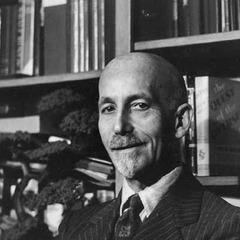
Paul Brunton
Paul Brunton was a British journalist and writer known for his interest in Eastern philosophy and mysticism. His works, such as 'A Search in Secret India' and 'The Quest of the Overself', had a profound impact on the Western world in the mid-20th century. more
You May Also Like
Source: Fakhruddin Iraqi: Divine Flashes
Source: Fakhruddin Iraqi: Divine Flashes
Source: Fakhruddin Iraqi: Divine Flashes
“I saw my Lord with the eye of the Lord. I asked 'Who art Thou?' and He answered 'Thou.”
Source: Fakhruddin Iraqi: Divine Flashes
Source: Fakhruddin Iraqi: Divine Flashes
Source: Fakhruddin Iraqi: Divine Flashes
Source: Fakhruddin Iraqi: Divine Flashes
Source: Paths to the Heart: Sufism and the Christian East
Source: The Secret of Secrets