“It is the Will of Heaven, that the two Countries should be sundered forever. It may be the Will of Heaven that America shall suffer Calamities still more wasting and Distresses yet more dreadful. If this is to be the Case, it will have this good Effect, at least: it will inspire Us with many Virtues, which We have not, and correct many Errors, and Vices, which threaten to disturb, dishonor, and destroy Us. – The Furnace of Affliction produces Refinement, in States as well as Individuals…. But I must submit all my Hopes and Fears to an overruling Providence, in which, unfashionable as the Faith may be, I firmly believe.”
Quote by John Adams
Author
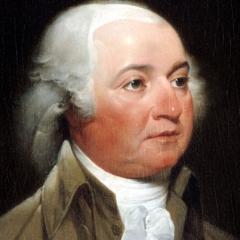
John Adams
John Adams, the second President of the United States, was a statesman, diplomat, and writer. Born on October 30, 1735, and died on July 4, 1826, Adams played a significant role in the American Revolutionary War. He was one of the drafters of the Declaration of Independence and served as the President from 1789 to 1797. more
You May Also Like
“No voice is so loud that it can demand that I listen to it.”
Source: The Future Ready Organization: How Dynamic Capability Management Is Reshaping the Modern Workplace
Source: The Future Ready Organization: How Dynamic Capability Management Is Reshaping the Modern Workplace
Source: The Social History of Art, Volume 1: From Prehistoric Times to the Middle Ages
“Independence Day, July 4th, or as I know it: Out with the British day!”
“Independence Day, July 4th, or as I know it: Out with the redcoats day!”
Source: Daily Drive 365