“In the fifth century BC, Buddhism and Jainism posed a great threat to Vedic ritualism. Members of the merchant classes patronized these monastic ideologies. Threatening even the Buddhists and the Jains was the idea of an all-powerful personal Godhead that was slowly taking shape in the popular imagination. The common man always found more comfort in tangible stories and rituals that made trees, rivers, mountains, heroes, sages, alchemists and ascetics worthy of worship. The move from many guardian deities and fertility spirits to one all-powerful uniting deity was but a small step. Being atheistic, or at least agnostic, Buddhism and Jainism could do nothing more than tolerate this fascination for theism on their fringes. In a desperate bid to survive, Vedic priests, the Brahmins, did something more: they consciously assimilated the trend into the Vedic fold. In their speculation they concluded and advertised the idea that Godhead was nothing but the embodiment of Brahman, the mystic force invoked by the chanting of Vedic hymns and the performance of Vedic rituals. Adoration of this Godhead through pooja, a rite that involved offering food, water, flowers, lamp and incense, was no different from the yagna.”
Quote by Devdutt Pattanaik
Work
Shiva To Shankara: Decoding The Phallic Symbol
Browse quotes and source details for this work. more
Author
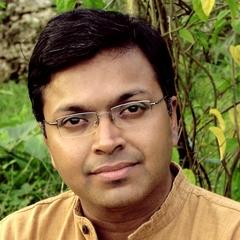
Devdutt Pattanaik
Devdutt Pattanaik is an Indian author, speaker, and consultant renowned for his works that intertwine mythology with modern concepts, particularly in the realms of business and leadership. Born on December 11, 1970, Pattanaik has penned over 30 books, including 'Myth = Mithya' and 'The 7 Secret Mantras of Success', which offer a blend of storytelling and analysis to explore the cultural and spiritual heritage of India. more
You May Also Like
“I was born in darkest ignorance. My spiritual master taught me the truth of the Universe”
Source: Canvas
Source: Guru to the World: The Life and Legacy of Vivekananda
“in human life moral values should count more than anything else”
Source: An Indian Pilgrim
Source: The Forgotten Army: India's Armed Struggle for Independence 1942-1945
Source: African Anarchism: The History of a Movement
Source: The Dispossessed: An Ambiguous Utopia
Source: Lords of Chaos
“What I spent, I had; What I kept, I lost; What I gave, I have.”