“One of my cherished ideas is that it is impossible to love without imagination”
Book:The Magician
“One of my cherished ideas is that it is impossible to love without imagination”
The Magician is a work of fiction that centers on a protagonist who practices the craft of magic, delving into the complexities of their identity, relationships, and the boundaries between reality and performance. The narrative examines how the pursuit of mastery in illusion shapes the magician's understanding of truth and self, often set against a backdrop of societal expectations and personal ambition. The story may involve elements of mystery, psychological depth, and the interplay between public persona and private struggles, reflecting on the nature of creativity and deception. more
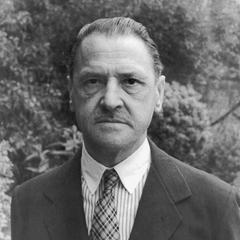
W. Somerset Maugham was a British playwright known for his sharp wit and insightful portrayal of human nature. Born on January 25, 1874, and passing away on December 16, 1965, Maugham's plays often delved into the complexities of human relationships and the social dynamics of his era. more
“Imagine for a moment that our country is not really separate from religion and philosophy.”