“She was one of those exceptional children who do still spend time outside, in solitude. In her case nature represented beauty - and refuge. "It's so peaceful out there and the air smells so good. I mean, it's polluted, but not as much as the city air. For me, it's completely different there," she said. "It's like you're free when you go out there. It's your own time. Sometimes I go there when I'm mad - and then, just with the peacefulness, I'm better. I can come back home happy, and my mom doesn't even know why." The she described her special part of the woods. "I had a place. There was a big waterfall and a creek on one side of it. I'd dug a big hole there, and sometimes I'd take a tent back there, or a blanket, and just lie down in the hole, and look up at the trees and sky. Sometimes I'd fall asleep back there. I just felt free; it was like my place, and I could do what I wanted, with nobody to stop me. I used to go down there almost every day." The young poet's face flushed. Her voice thickened. "And then they just cut the woods down. It was like they cut down part of me.”
Quote by Richard Louv
Work
The book delves into the concept of nature-deficit disorder, a term coined by the author, and examines how spending time in natural environments can contribute to the well-being of young individuals. It offers insights into the benefits of outdoor play and the potential consequences of a lack of nature in children's lives. more
Author
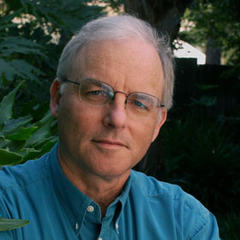
Richard Louv, born in 1949, is a renowned author whose work primarily focuses on the relationship between humans and nature, particularly the relationship between children and nature. Louv's works have had a profound impact on the fields of environmental protection and education. more
You May Also Like
“I'm planting a tree to teach me to gather strength from my deepest roots.”
“If you were my child, I would staple you to your bedroom wall.”