Quotessence
Home / Quotes / Quote by William Maxwell

Quote by William Maxwell

“The values and assumptions of that household I took in without knowing when or how it happened, and I have them to this day: The pleasure in sharing pleasure. The belief that is is only proper to help lame dogs to get over stiles and young men to put one foot on the bottom rung of the ladder. An impatient disregard for small sums of money. The belief that it is a sin against Nature to put sugar in one's tea. The preference for being home over being anywhere else. The belief that generous impulses should be acted on, whether you can afford to do this or not. The trust in premonitions and the knowledge of what is in wrapped packages. The willingness to go to any amount of trouble to make yourself comfortable. The tendency to take refuge in absolutes. The belief that you don't have to apologize for tears; that consoling words should never be withheld; that what somebody wants very much they should, if possible, have.”

Quote by William Maxwell

Work

ANCESTORS: A Family History

Browse quotes and source details for this work. more

Author
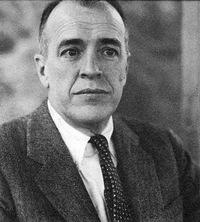
William Maxwell
William Maxwell

William Maxwell, born on August 16, 1908, was an accomplished editor and writer from the United States. His contributions to the literary world were primarily in the editing and promotion of author's works, particularly during his tenure at The New Yorker magazine, where he had a profound impact on the growth of many modern authors. more

You May Also Like

“Telling our personal story constitutes an act of consciousness that defines the ethical lining of a person’s constitution. Recounting personal stories promotes personal growth, spurs the performance of selfless deeds, and in doing so enhances the ability of the equitable eye of humanity to scroll rearward and forward. Every person must become familiar with our communal history of struggle, loss, redemption, and meaningfully contemplate the meaning behind our personal existence in order to draft a proper and prosperous future for succeeding generations. Accordingly, every person is responsible for sharing their story using the language of thought that best expresses their sanguine reminiscences. Without a record of pastimes, we will never know what were, what we now are, or what we might become by steadfastly and honorably struggling with mortal chores.”

“Because salvation is by grace through faith, I believe that among the countless number of people standing in front of the throne and in front of the Lamb, dressed in white robes and holding palms in their hands (see Revelation 7:9), I shall see the prostitute from the Kit-Kat Ranch in Carson City, Nevada, who tearfully told me that she could find no other employment to support her two-year-old son. I shall see the woman who had an abortion and is haunted by guilt and remorse but did the best she could faced with grueling alternatives; the businessman besieged with debt who sold his integrity in a series of desperate transactions; the insecure clergyman addicted to being liked, who never challenged his people from the pulpit and longed for unconditional love; the sexually abused teen molested by his father and now selling his body on the street, who, as he falls asleep each night after his last 'trick', whispers the name of the unknown God he learned about in Sunday school. 'But how?' we ask. Then the voice says, 'They have washed their robes and have made them white in the blood of the Lamb.' There they are. There *we* are - the multitude who so wanted to be faithful, who at times got defeated, soiled by life, and bested by trials, wearing the bloodied garments of life's tribulations, but through it all clung to faith. My friends, if this is not good news to you, you have never understood the gospel of grace.”

“Pursuing a family history beyond a simple catalogue of names is always evidence of separation, of severing ties at least to the extent of holding one’s relations at arm’s length. The family member who want to make a private gift of a family tree to a close circle of relatives soon becomes the historian who estranges her antecedents by locating them “in history”. I found that family history, which humanizes those who might otherwise be mere faces in a crowd, also defamiliarized those closest to me, giving their lives a larger pattern than they had when they were lived. They became both more and less themselves. I consoled myself by thinking that this is what history does to us too. As we grow older we see not how unique our lives have been, but how representative we were and are; that we are part of the figure in the carpet woven by events, by chance and accident, and by the play of forces more powerful than us.”