Quotessence
Home / Quotes / Quote by Soren Kierkegaard

Quote by Soren Kierkegaard

“He who loves God has no need of tears, needs no admiration, and forgets his suffering in love, indeed forgets so completely that afterwards not the least hint of his pain would remain were God himself not to remember it; for God sees in secret and knows the distress and counts the tears and forgets nothing.”

Quote by Soren Kierkegaard

Author
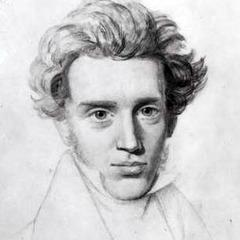
Soren Kierkegaard
Soren Kierkegaard

Søren Kierkegaard was a 19th-century Danish philosopher known for his existentialist philosophy and profound explorations of religious, ethical, and aesthetic issues. His ideas have had a profound impact on subsequent philosophers and literature. more

You May Also Like

“Later Siddhartha was to recount how the most crucial incident of his childhood occurred when he was nine. In the spring he was taken to the ploughing festival. This was a very important day for the Shakya people who were agriculturalists. On this day, the ploughing season began. The king, Siddhartha's father, would ceremonially cut the first furrow with a special plough. It was the occasion for a great spring festival and everybody was celebrating. Siddhartha was taken along by his nurse maids to watch his father perform the all important symbolic act of making the first cut in the ground. As Siddhartha watched, what this sensitive child saw was the beautiful earth being cut open: cut open in order that the people might grow crops and so live; cut open just as, perhaps, he knew that his mother had been cut open to give him life. He saw insects turned up by the plough, ejected from their homes. He saw worms cut into pieces. He saw the birds descend and eat the little creatures squirming on the broken soil. He saw that in this cutting there was much suffering. He felt the suffering himself. He felt a great urge to remove himself from this painful spectacle. He slipped away from his nurse maids and went to sit under a tree. Later they came looking for him and found that he had gone into a deep state of concentration. As he reflected upon what he had witnessed he was unaware of their approach or of them observing him. This was the first time, he entered into the kind of intense rapture we call samadhi. So Siddhartha grew up with a deep concern about the meaning of suffering in his heart. He knew that he was alive because his mother had died. He knew that people were only able to feed at the expense of the cutting of the earth. He felt the unavoidability of much suffering acutely. He went out from the palace and he saw people who were sick and he learned how nobody is immune to sickness. He saw how people grow old and how nobody is able to avert doing so if they live long. And if they do not live, then they die and this too is an affliction, both for the person who dies and for those who grieve. Siddhartha was certainly sensitive enough to grieve. The great mass of suffering in the world seemed to weigh upon him.”