Quotessence
Home / Quotes / Quote by George Eliot

Quote by George Eliot

“Her profile as well as her stature and bearing seemed to gain the more dignity from her plain garments, which by the side of provincial fashion gave her the impressiveness of a fine quotation from the Bible,—or from one of our elder poets,—in a paragraph of to-day’s newspaper.”

Quote by George Eliot

Work

Middlemarch

George Eliot's 'Middlemarch' is a comprehensive portrayal of English provincial life in the 1830s. The story follows a diverse cast of characters, including Dorothea Brooke, Tertius Lydgate, and Casaubon, as they navigate personal and societal challenges. The novel delves into themes of ambition, marriage, and the pursuit of knowledge, offering a rich tapestry of human experience. more

Author

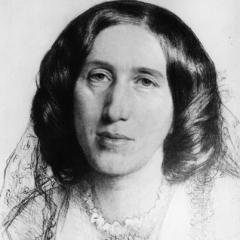
George Eliot
George Eliot

George Eliot, born Mary Ann Evans, was a renowned 19th-century British novelist. Her works are known for their profound psychological insights and critical exploration of social issues. With her unique narrative techniques and rich emotional expression, she has had a profound impact on literature. more

You May Also Like

“وتتبدّل الأحوال ويقف المسلم موقف المغلوب المجّرد من القوة المادية، فلا يفارقه شعوره بأنّه الأعلى، وينظر إلى غالِبِه من عل ما دام مؤمنا، ويستيقن أنها فترة وتمضي، وإن للإيمان كرّة لا مفر منها، وهبها كانت القاضية فإنّه لا يحني لها رأسا، النّاس كلهم يموتون أما هو فيستشهد، وهو يغادر هذه الأرض إلى الجنة، وغالِبه يغادرها إلى النار، وشتان شتان، وهو يسمع نداء ربه الكريم: {لا يغرنك تقلب الذين كفروا في البلاد، متاع قليل ثم مأواهم جهنم وبئس المهاد، لكن الذين اتقوا ربهم لهم جنات تجري من تحتها الأنهار خالدين فيها نزلا من عند الله وما عند الله خير للأبرار} [آل عمران: 196 - 198].”

“There are some promotions in life, which, independent of the more substantial rewards they offer, acquire peculiar value and dignity from the coats and waistcoats connected with them. A field-marshal has his uniform; a bishop his silk apron; a counsellor his silk gown; a beadle his cocked hat. Strip the bishop of his apron, or the beadle of his hat and lace; what are they? Men. Mere men. Dignity, and even holiness too, sometimes, are more questions of coat and waistcoat than some people imagine.”

“You can render unto Caesar that which is Caesar's, but if you don't keep from Caesar that which is yours, Caesar will take some, and than take some more, and if you don't put a stop to it, though you won't lose everything - you can't lose everything; there's things he can't take, at least one or two - a time will soon come when you'll think you've lost everything, when you'll think all is Caesar's, and by then you'll be too weak to take what's yours back, too tired to remember what was yours to begin with, and you'll end up, perversely, scheming for his leavings and, even more perversely, grateful when you get them.”

“As to the fragments of morality that are irregularly and thinly scattered in those books [the Bible], they make no part of this pretended thing, revealed religion. They are the natural dictates of conscience, and the bonds by which society is held together, and without which it cannot exist; and are nearly the same in all religions, and in all societies. The Testament teaches nothing new upon this subject, and where it attempts to exceed, it becomes mean and ridiculous. When it is said, as in the Testament, 'If a man smite thee on the right cheek, turn to him the other also,' it is assassinating the dignity of forbearance, and sinking man into a spaniel.”