Quotessence
Home / Quotes / Quote by Charles Dickens

Quote by Charles Dickens

“Eğer başka çocuklar da anlaşılmamaktan, yanlış anlaşılmaktan, benim çocukken korktuğum kadar korkuyorlarsa (ki olasıdır, çünkü çocukluğumda bir hilkat garibesi olduğumu hiç sanmıyorum) bu korku birçok suskunluk ve yalanların anahtarıdır.”

Quote by Charles Dickens

Work

Great Expectations

This novel follows the journey of Pip, a young boy who is raised by his sister and her husband, Joe Gargery, a blacksmith. After receiving a mysterious gift that leads him to believe he has been chosen for a better life, Pip embarks on a quest to fulfill his 'great expectations.' The story delves into Pip's interactions with various characters, including the wealthy Miss Havisham and her adopted daughter Estella, and the convict Magwitch, who ultimately reveals a profound connection to Pip's past. more

Author

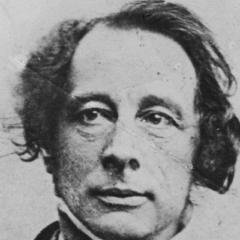
Charles Dickens
Charles Dickens

Charles Dickens, a British writer born on February 7, 1812, and died on June 9, 1870, is one of the greatest novelists of the 19th century. Known for his profound social criticism and vivid narrative style, Dickens' works extensively cover social reality, revealing various issues in the British society of the time. more

You May Also Like

“واجتمع في بعض الزمان ملوك الأقاليم من الصين والهند وفارس والروم، وقالوا: ينبغي أن يتكلم كلّ واحد منّا بكلمة تدوّن عنه على غابر الدّهر. فقال ملك الصين: أنا على رد ما لم أقل أقدر منّي على ردّ ما قلت. وقال ملك الهند: عجبت ممّن يتكلم بالكلمة، إن كانت له لم تنفعه، وإن كانت عليه أوبقته. وقال ملك فارس: إذا تكلمت بالكلمة ملكتني، وإذا لم أتكلم بها ملكتها. وقال ملك الرّوم: ما ندمت على ما لم أتكلم به قط، ولقد ندمت على ما تكلمت به كثيرًا. والسكوت عند الملوك أحسن من الهذر الذي لا يرجع منه إلى نفع، وأفضل ما استظلّ به الإنسان لسانه”

“Perhaps the small, elderly brother mutely splitting firewood and stacking it in a buckling, corrugated-iron water tank was heard in Heaven more compellingly than the rest of us put together. Maybe there comes a time when the one who lives to pray at last steps over an invisible threshold and into a place where liturgical form, word and gesture dissolve. Where feeding scraps of stale bread to a young magpie translates into intercession that is as fervent as it is unobserved, as effective as it is inexplicable.”