“With the advent of the first truly revolutionary means of reproduction, photography, simultaneously with the rise of socialism, art sensed the approaching crisis which has become evident a century later. At the time, art reacted with the doctrine of l'art pour l'art, that is, with a theology of art. This gave rise to what might be called a negative theology in the form of the idea of "pure" art, which not only denied any social function of art but also any categorizing by subject matter.”
Quote by Walter Benjamin
Work
Illuminations: Essays and Reflections
Browse quotes and source details for this work. more
Author
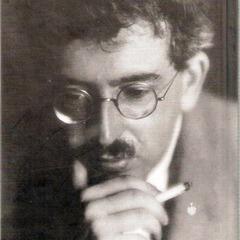
Walter Benjamin
Walter Benjamin, born on July 15, 1892, and died on September 26, 1940, was a prominent German literary critic whose works profoundly influenced 20th-century literary criticism and cultural theory. more
You May Also Like
“Poetry holds us still when the whole world is spinning incessantly and pointlessly.”
Source: Strays
Source: The Book of Disquiet
Source: The Book of Disquiet
Source: Alles wat beweegt
Source: Some Turns of Thought in Modern Philosophy
Source: Artemisia
“برغم أن وجود الله ليس مرتبطاً بإيماننا; لكن إدراكنا لهذا الوجود مرتبط كلياً بحجم إيماننا”
Source: وجه الله
Source: I Capture The Castle
Source: The Use of Poetry and the Use of Criticism
Source: Glitter Saints: The Cosmic Art of Forgiveness, a Memoir