“I still find each day too short for all the thoughts I want to think, all the walks I want to take, all the books I want to read, and all the friends I want to see. The longer I live, the more my mind dwells upon the beauty and the wonder of the world.”
Quote by John Burroughs
Author
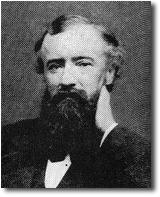
John Burroughs
John Burroughs (April 3, 1837 – March 29, 1921) was an American essayist and naturalist, widely regarded as the father of American nature writing. Born in Roxbury, New York, he worked as a teacher and journalist before dedicating himself to observing and writing about nature. His works, such as Wake-Robin and Winter Sunshine, are celebrated for their vivid descriptions and philosophical depth. A close friend of poet Walt Whitman, Burroughs emphasized the spiritual connection between humans and the natural world. His writings influenced early conservation movements and continue to inspire readers today. more
You May Also Like
Source: How to Kiss the Universe: An Inspirational Spiritual and Metaphysical Narrative about Human Origin, Essence and Destiny
Source: How to Kiss the Universe: An Inspirational Spiritual and Metaphysical Narrative about Human Origin, Essence and Destiny
Source: How to Kiss the Universe: An Inspirational Spiritual and Metaphysical Narrative about Human Origin, Essence and Destiny
Source: The Sun at Midnight: The Revealed Mysteries of the Ahlul Bayt Sufis
Source: Book of a Thousand Days
Source: Signs of Orality: The Oral Tradition and its Influence in the Greek and Roman World
Source: Belonging: The Science of Creating Connection and Bridging Divides - Library Edition
Source: 10 GOLDEN Steps of Life