“It's laughable, looking back, to see the processes I went through, pretending to make a reasoned decision. No choice is ever made on the basis of logic; the logic is fabricated around the impulse, the initial desire which is innate and incontrovertible. All the time, I knew where I was going, the elements of my fulfillment or ruin were always present; I only had to work my way into that seam of desire and find the hidden vein of dross or gold. It's not a question of predestination, it's just that free will and destiny are illusions, false opposites, consolations. In the end, they are one and the same: a single process. You choose what you choose and it could not have been otherwise: the choice is destiny. It was there all along, but any alternative you might have considered is an absurd diversion, because it is in your nature to make one choice rather than another. That is identity. To speak of freedom or destiny is absurd because it suggests there is something outside yourself, directing your life, where really it is of the essence: identity, the craftwork of the soul.”
Quote by John Burnside
Book:The Dumb House
Work
The Dumb House
Browse quotes and source details for this work. more
Author
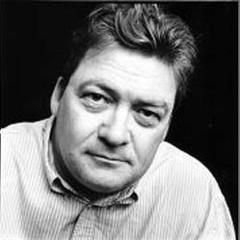
John Burnside
John Burnside is a Scottish writer known for his poetry, novels, and prose. His works often explore themes of nature, memory, and the human condition. Born in March 1955, Burnside began his writing career in the 1980s. more
You May Also Like
Source: Selected poems
“و عشقات پیروزیِ آدمیست هنگامی که به جنگِ تقدیر میشتابد.”
Source: آیدا در آینه
“Some are born to love, and some to fight. How can I ever succeed at both?”
Source: Forest Child
Source: The Oaken Throne
Source: Madam, Will You Talk?
Source: The Joke
“We are individually responsible for our own happiness and destiny”
Source: Take A Little Soul Time