“A few weeks into our stay, I made a friend who wanted to improve his English as much as I wanted to improve my French. We met one day out in the crowd in front of Notre Dame. We walked to the Latin Quarter. We walked to a wine shop. Outside the wine shop there was seating. We sat and drank a bottle of red. We were served heaping piles of meats, bread, and cheese. Was this dinner? Did people do this? I had not even known how to imagine it. And more, was this all some elaborate ritual to get an angle on me? My friend paid. I thanked him. But when we left I made sure he walked out first. He wanted to show me one of those old buildings that seem to be around every corner in that city. And the entire time he was leading me, I was sure he was going to make a quick turn into an alley, where some dudes would be waiting to strip me of…what, exactly? But my new friend simply showed me the building, shook my hand, gave a fine bon soirée, and walked off into the wide open night. And watching him walk away, I felt that I had missed part of the experience because of my eyes, because my eyes were made in Baltimore, because my eyes were blindfolded by fear.”
Quote by Ta-Nehisi Coates
Work
In this powerful and moving work, the author delves into the intersection of race, history, and personal experience, offering a raw and honest perspective on the African American experience. more
Author
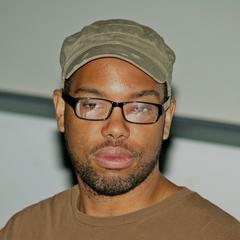
Ta-Nehisi Coates is an American writer known for his insightful social commentary and literary works. His writings often focus on themes of race, history, and social justice, with his most famous work being 'Between the World and Me', which won the Pulitzer Prize in 2015. more
You May Also Like
“The artist’s secret lies in fear and awe. Our times have turned them into terror and dismay.”
“Meu medo é de achar que as palavras que o mundo fala através de minha boca são minhas de verdade.”
“We fear change, thus we almost fear everything because everything around us is changing.”