“Since the eighteenth century, clerical and military critics of liberalism have pictured it as a doctrine that achieves its public goods, peace, prosperity, and security by encouraging private vice. Selfishness in all its possible forms is said to be its essence, purpose, and outcome. This, it is said now and then, is inevitable once martial virtue and the discipline imposed by God are discarded. Nothing could be more remote from the truth. The very refusal to use public coercion to impose creedal unanimity and uniform standards of behavior demands an enormous degree of self-control. Tolerance consistently applied is more difficult and morally more demanding than repression. Moreover, the liberalism of fear, which makes cruelty the first vice, quite rightly recognizes that fear reduces us to mere reactive units of sensation and that this does impose a public ethos on us. One begins with what is to be avoided, as Montaigne feared being afraid most of all. Courage is to be prized, since it both prevents us from being cruel, as cowards so often are, and fortifies us against fear from threats, both physical and moral. This is, to be sure, not the courage of the armed, but that of their likely victims. This is a liberalism that was born out of the cruelties of the religious civil wars, which forever rendered the claims of Christian charity a rebuke to all religious institutions and parties. ... The alternative then set, and still before us, is not one between classical virtue and liberal self-indulgence, but between cruel military and moral repression and violence, and a self-restraining tolerance that fences in the powerful to protect the freedom and safety of every citizen, old or young, male or female, black or white. Far from being an amoral free-for-all, liberalism is, in fact, extremely difficult and constraining, far too much so for those who cannot endure contradiction, complexity, diversity, and the risks of freedom.”
Quote by Judith N. Shklar
Book:Ordinary Vices
Work
Ordinary Vices
This book delves into the various vices that humans are prone to, examining how they shape personal lives and societal dynamics. It offers a nuanced look at the darker aspects of human nature. more
Author
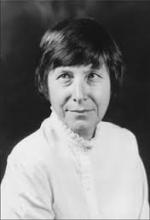
Judith N. Shklar
Judith N. Shklar was an American political theorist renowned for her exploration of political emotion and the moral aspects of politics. She served as a professor at Harvard University and her writings have had a profound impact on the fields of political theory and ethics. more
You May Also Like
Source: No Safe Spaces
Source: I Vicdansaadet Speaking: No Rest Till The World is Lifted
Source: Boldly Comes Justice: Sentient Not Silent
Source: The One Idea That Saves The World: A Call to Conscience and A Call to Action
“The world is diverse for us to be strong, By walking together we'll fly high and long.”
Source: Servitude is Sanctitude
Source: Light in August