“03:11 And in the past few years, we've been able to propagate this lie even further via social media. You may have seen images like this one: "The only disability in life is a bad attitude." Or this one: "Your excuse is invalid." Indeed. Or this one: "Before you quit, try!" These are just a couple of examples, but there are a lot of these images out there. You know, you might have seen the one, the little girl with no hands drawing a picture with a pencil held in her mouth. You might have seen a child running on carbon fiber prosthetic legs. And these images, there are lots of them out there, they are what we call inspiration porn. (Laughter) And I use the term porn deliberately, because they objectify one group of people for the benefit of another group of people. So in this case, we're objectifying disabled people for the benefit of nondisabled people. The purpose of these images is to inspire you, to motivate you, so that we can look at them and think, "Well, however bad my life is, it could be worse. I could be that person." But what if you are that person?”
Quote by Stella Young
Author
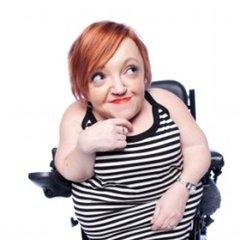
Stella Young
Stella Young was an Australian comedian known for her unique sense of humor and advocacy for the rights of people with disabilities. She gained recognition for her performances on stage and television, as well as her work in promoting social justice and inclusivity. more
You May Also Like
Source: Daring to Drive: A Saudi Woman's Awakening
Source: Economics: The User's Guide
Source: Freakonomics: A Rogue Economist Explores the Hidden Side of Everything
Source: Live by Night
“The moment a woman was born determined so much of who she was allowed to become.”
Source: Saints for All Occasions
Source: Daring to Drive: A Saudi Woman's Awakening