“Old is the tree and the fruit good, Very old and thick the wood. Woodman, is your courage stout? Beware! the root is wrapped about Your mother's heart, your father's bones; And like the mandrake comes with groans.”
Quote by Robert Louis Stevenson
Author
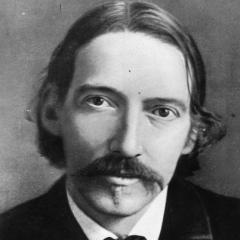
Robert Louis Stevenson
Robert Louis Stevenson was a 19th-century Scottish novelist, poet, travel writer, and essayist. His works are characterized by adventure and romance, with his most famous novels being 'Treasure Island' and 'The Adventure of the Treasure Island'. Stevenson's works have been beloved by readers and have had a profound impact on literature. more
You May Also Like
Source: The Image: A Quantum Portal Has Opened
“Serving Leaders work hard to get obstacles out of the way so others can make progress.”
Source: The Serving Leader: Five Powerful Actions to Transform Your Team, Business, and Community
“Having clear decision rules saves heartburn later.”
Source: Let's Stop Meeting Like This: Tools to Save Time and Get More Done
Source: Smile Anyway: Quotes, Verse, & Grumblings for Every Day of the Year
“Everyone is ugly. It's your inner heart that truly makes you beautiful.”
“The goal that proves success is to become God’s representative”