Quotessence
Home / Quotes / Quote by William Hazlitt

Quote by William Hazlitt

Work

New Writings by William Hazlitt: Second Series

Browse quotes and source details for this work. more

Author
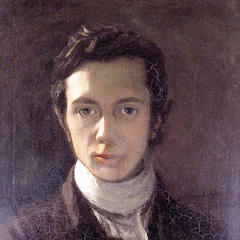
William Hazlitt
William Hazlitt

William Hazlitt, born on April 10, 1778, was an influential English essayist and literary critic. His works are renowned for their sharp observations and profound insights, which have had a lasting impact on 19th-century British literature. more

You May Also Like

“Belirli işlerin nöral devrelere kazınmasıyla elde edilen ikinci avantaj, enerji verimliliğidir. Beyin, düzeneklerini optimize ederek problem çözmek için gerekli enerjiyi asgariye indirir. Bizler gerçekte pille çalışan hareketli yaratıklar olduğumuzdan enerji tasarrufu bizim için yaşamsal önem taşır.”

“Beynin devreleri, hayatta kalmamız için uygun davranışları üretecek şekilde düzenlenmiştir. Elma, yumurta ya da patatesin tadını beğenmemizin nedeni, içerdikleri moleküllerin harikulade biçimleri değil, bunların kusursuz birer şeker ve protein paketi, bir başka deyişle bankanızda saklayabileceğiniz enerji dolarları olmasıdır. Yararlı oldukları için bizler de bu yiyeceklerin tadını beğenecek şekilde programlanmışızdır.”

“İçgüdülerin otomatikleşmiş davranışlarımızdan (daktilo yazmak, bisiklete binmek, servis atmak gibi) farkı, bunları yaşam süremiz içinde öğrenmek zorunda kalmayıp kalıtımla elde etmiş olmamızdır. İçşel davranışlarımızın temsil ettiği fikirler öylesine yararlıdır ki, bunlar DNA'nın küçücük, şifreli dil birimlerine kodlanacak kadar derinlere ulaşabilmiş ve bu da milyonlarca yıl süren doğal seçilimle mümkün hale gelmiştir: Sağkalım ve üreme yararına çalışan içgüdülere sahip olanlar çoğalabilmiştir ancak.”

“War is an ugly thing, but not the ugliest of things: the decayed and degraded state of moral and patriotic feeling which thinks that nothing is worth a war, is much worse. When a people are used as mere human instruments for firing cannon or thrusting bayonets, in the service and for the selfish purposes of a master, such war degrades a people. A war to protect other human beings against tyrannical injustice; a war to give victory to their own ideas of right and good, and which is their own war, carried on for an honest purpose by their free choice, — is often the means of their regeneration. A man who has nothing which he is willing to fight for, nothing which he cares more about than he does about his personal safety, is a miserable creature who has no chance of being free, unless made and kept so by the exertions of better men than himself. As long as justice and injustice have not terminated their ever-renewing fight for ascendancy in the affairs of mankind, human beings must be willing, when need is, to do battle for the one against the other.”

“İnsanların "güzel" olarak nitelendirdikleri şeyler, özünde hormonal değişimlerden kaynaklanan doğurganlık işaretlerini yansıtır. Kızlarla erkeklerin yüz ve vücut özellikleri, ergenliğe kadar birbirine benzer. Ergenlik dönemindeki kızlarda görülen östrojen artışı onlara daha dolgun dudaklar kazandırırken, erkeklerde artan testosteron da çenenin daha gelişken hale gelmesine, burnun büyümesine neden olur. Östrojen meme ve kalçaların büyümesini, testosteron ise kas gelişimini sağlayarak omuzların genişlemesini tetikler. Sonuçta kadınlarda dolgun dudaklar, dolgun kalçalar ve ince bel, açık bir mesaj vermektedir: Östrojenle doluyum ve doğurganım. Erkekte mesajı veren özelliklerse gelişkin çene, geniş göğüs yapısı ve sakaldır. İşte biz de bu özelliklerin "güzel" olarak algılamak üzere programlanmışızdır. Biçim, işlevi yansıtır.”

“Iyengar sees the relationship between art and science as follows: “Art in its initial stages is science; science in its highest form is art.”6 That is to say, at first the artist must master technique (the scientific part of art), just as the scientist who wants to master science must see beauty in truth. The delight and awe of mathematicians when looking at a particularly concise formula is a well-known manifestation of artistic sensibility. Long ago, Pythagoras knew of the meeting place of science (in the form of mathematics) and art (in the form of music). Even before him, the Indians had discovered the same connection, as expressed in their Shulba-Sūtras. Yoga practitioners look upon their own body-mind as an artistic instrument that can be explored fairly precisely by carefully observing the timehonored rules of the yogic heritage. This effort yields what the Western esoteric traditions call the “music of the spheres”—the mystical sound om reverberating throughout the cosmos followed by the wondrous realization of absolute oneness (ekatva) beyond all qualities.”