“It has been a long trip," said Milo, climbing onto the couch where the princesses sat; "but we would have been here much sooner if I hadn't made so many mistakes. I'm afraid it's all my fault." "You must never feel badly about making mistakes," explained Reason quietly, "as long as you take the trouble to learn from them. For you often learn more by being wrong for the right reasons than you do by being right for the wrong reasons.”
Quote by Norton Juster
Work
The phantom tollbooth
In this classic children's book, Milo, a bored and uninterested boy, is transported into a magical realm where he encounters various characters and challenges. The story combines elements of fantasy, humor, and intellectual exploration, encouraging readers to think critically and enjoy the beauty of language and imagination. more
Author
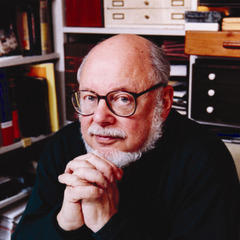
Norton Juster
Norton Juster is an American author renowned for his children's literature. His most famous work, 'Charlotte's Web,' has been a beloved classic since its publication in 1952. Beyond children's literature, Juster has also ventured into adult fiction and poetry. more
You May Also Like
Source: The Queen of Nothing
“Nothing is more intolerable than to have admit to yourself your own errors.”
Source: The Girls
Source: Before We Say Goodbye
“We have to make mistakes, it's how we learn compassion for others.”
Source: American Wife
“Each one of us is more than the worst thing we've ever done.”
Source: Option B: Facing Adversity, Building Resilience, and Finding Joy