“But I believe you are absolutely incapable of jealousy except as hurt vanity.”
Quote by F. Scott Fitzgerald
Work
The Beautiful and Damned
F. Scott Fitzgerald's 'The Beautiful and Damned' is a narrative about the unraveling of a marriage between Anthony Patch and his wife, Gloria. Set in the lavish and decadent world of the 1920s, the story delves into themes of wealth, excess, and the disintegration of the American Dream. The novel is known for its vivid portrayal of the era's social and moral decay, and its complex characters who are both admired and criticized for their lifestyles. more
Author
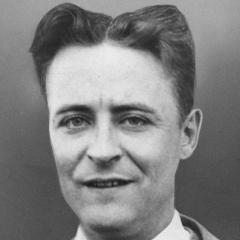
F. Scott Fitzgerald
F. Scott Fitzgerald was an American author of novels and short stories, renowned for his works that encapsulate the Jazz Age and the Roaring Twenties. His most celebrated novel, 'The Great Gatsby,' is a critical and commercial success, reflecting the themes of the American Dream and the decline of the American upper class. more
You May Also Like
Source: Hyde and Seek
Source: The Green Knight
“Jealousy, lie, and above on the fool tricks, such people are within themselves a foolish.”
Source: Don Quixote