“With their mother lying in a coma twenty miles away, they clung together drunkenly and wept for the loss of their father.”
Book:The Easter Parade
“With their mother lying in a coma twenty miles away, they clung together drunkenly and wept for the loss of their father.”
Browse quotes and source details for this work. more
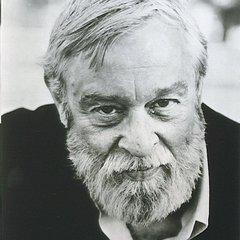
Richard Yates (1926-1992) was an American novelist renowned for his unflinching portrayals of suburban American life and the disillusionment of the post-war middle class. His debut novel "Revolutionary Road" (1961) is now considered a classic of American literature. A World War II veteran, Yates wrote with raw honesty about the broken American Dream and the quiet desperation of ordinary lives. Though underappreciated during his lifetime, his work influenced generations of writers and gained recognition after his death. more
“A closed door does not mark the end of your life. More is yet to come. Do not give up. Focus!”
“Sometimes the opposite of loss is loss.”
“Be so focused on an open door that you are unfazed by any door that closes on you at all.”