“Literature keeps presenting the most vicious things to us an entertainment, but what it appeals to is not any pleasure of these things, but the exhilaration of standing apart from them and being able to see them for what they are because they aren't really happening. The more exposed we are to this, the less likely we are to find an unthinking pleasure in cruel or evil things. As the eighteenth century said in a fine mouth-filling phrase, literature refines our sensibilities.”
Quote by Northrop Frye
Work
The Educated Imagination
This book delves into the significance of imagination in the educational process, discussing how it fosters personal development and enhances analytical skills. more
Author
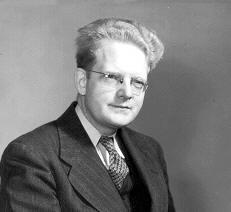
Northrop Frye
Northrop Frye was a Canadian literary critic and literary theorist, renowned for his extensive work on the Bible, mythology, and the literary imagination. His theories have had a significant impact on the field of literary criticism and have influenced many scholars and critics. more
You May Also Like
Source: Time regained
Source: Fishing for Amber: A Long Story
Source: A Million Windows
Source: Parle tout bas
Source: The Mythology of the Animal Farm in Children's Literature: Over the Fence