Quotessence
Home / Quotes / Quote by Albert Camus

Quote by Albert Camus

“After all, pain, exile, or confinement are sometimes accepted when dictated by good sense or by the doctor. In the eyes of the rebel, what is missing from the misery of the world, as well as from its moments of happiness, is some principle by which they can be explained. The insurrection against evil is, above all, a demand for unity. The rebel obstinately confronts a world condemned to death and the impenetrable obscurity of the human condition with his demand for life and absolute clarity. He is seeking, without knowing it, a moral philosophy or a religion. Rebellion, even though it is blind, is a form of asceticism. Therefore, if the rebel blasphemes, it is in the hope of finding a new god.”

Quote by Albert Camus

Work

The Rebel

This book delves into the complex concepts of rebellion, examining its origins, motivations, and impacts on societal structures. It offers a critical analysis of the rebellious spirit and its manifestation across various historical and cultural contexts. more

Author

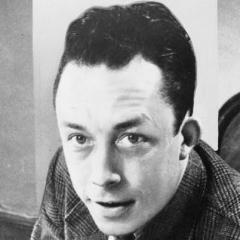
Albert Camus
Albert Camus

Albert Camus was a French author and philosopher, born on November 7, 1913, and died on January 4, 1960. Known for his unique existentialist philosophy and profound insights into human suffering, Camus' works include 'The Stranger', 'The Plague', and 'The Myth of Sisyphus', which have had a profound impact on 20th-century literature. more

You May Also Like

“The invigorating energy in fresh-cut grass and cool, crisp chlorine filled Wendell’s nostrils as they lounged by the pool in Evan’s back yard. Looking past the back fence the wild grass bowed to the playful persuasion of the warm summer breeze and the corn lilies and columbines bounced their jeweled heads, laughing and teasing butterflies. Even the Cooper’s hawk atop a nearby fence post, content with feasting on a woodpecker knew, it was a perfect day.”

“Now I know why you have always desired to see Andilain at this time of year. The sweet fragrance of the trees blossoming remind me of the soft skin at your neck. If we should ever travel here I will insist on taking a carriage. You know how I detest riding horses and after two days my backside would be grateful if I never beheld a saddle again.”

“It’s always good to give respect, even when you might not feel it’s due. It serves two purposes in particular: one, you’ll soothe the angry beast, should the person have a temper—by visually and verbally submitting to their imagined authority, and; two, by displaying that you acknowledge their authority (especially if others don’t), you are likely to gain favor which can be used to your advantage.”