“Jerusalem! My Love,My Town I wept until my tears were dry I prayed until the candles flickered I knelt until the floor creaked I asked about Mohammed and Christ Oh Jerusalem, the fragrance of prophets The shortest path between earth and sky Oh Jerusalem, the citadel of laws A beautiful child with fingers charred and downcast eyes You are the shady oasis passed by the Prophet Your streets are melancholy Your minarets are mourning You, the young maiden dressed in black Who rings the bells at the Nativity Church, On sunday morning? Who brings toys for the children On Christmas eve? Oh Jerusalem, the city of sorrow A big tear wandering in the eye Who will halt the aggression On you, the pearl of religions? Who will wash your bloody walls? Who will safeguard the Bible? Who will rescue the Quran? Who will save Christ, From those who have killed Christ? Who will save man? Oh Jerusalem my town Oh Jerusalem my love Tomorrow the lemon trees will blossom And the olive trees will rejoice Your eyes will dance The migrant pigeons will return To your sacred roofs And your children will play again And fathers and sons will meet On your rosy hills My town The town of peace and olives”
Quote by Nizar Qabbani
Author
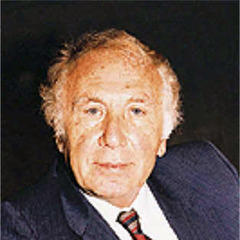
Nizar Qabbani
Nizar Qabbani was a distinguished Lebanese poet, diplomat, and politician. Born on March 21, 1923, in Damascus, Syria, he spent much of his life in Lebanon. Qabbani's poetry is celebrated for its lyrical beauty and profound social and political commentary. He served as Lebanon's ambassador to France and was a member of the Lebanese parliament. Qabbani received numerous awards for his literary contributions, including the Lenin Peace Prize. He passed away on April 30, 1998. more
You May Also Like
“Real women fight for something, other than their own emotions.”
“Being still does not mean don't move. It means move in peace.”
Source: The Dhammapada
Source: Something Like An Autobiography
“Even the smallest tender mercy can bring peace when recognized and appreciated.”
Source: Smile Anyway: Quotes, Verse, & Grumblings for Every Day of the Year
Source: The Catastrophic History of You and Me
Source: Slouching towards Bethlehem
Source: The Iliad
Source: Coriolanus