“Recent brain scans have shed light on how the brain simulates the future. These simulation are done mainly in the dorsolateral prefrontal cortex, the CEO of the brain, using memories of the past. On one hand, simulations of the future may produce outcomes that are desirable and pleasurable, in which case the pleasure centers of the brain light up (in the nucleus accumbens and the hypothalamus). On the other hand, these outcomes may also have a downside to them, so the orbitofrontal cortex kicks in to warn us of possible dancers. There is a struggle, then, between different parts of the brain concerning the future, which may have desirable and undesirable outcomes. Ultimately it is the dorsolateral prefrontal cortex that mediates between these and makes the final decisions. (Some neurologists have pointed out that this struggle resembles, in a crude way, the dynamics between Freud's ego, id, and superego.)”
Quote by Michio Kaku
Work
The Future of the Mind: The Scientific Quest to Understand, Enhance, and Empower the Mind
Browse quotes and source details for this work. more
Author
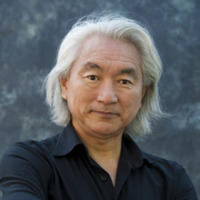
Michio Kaku
Michio Kaku is a renowned theoretical physicist known for his work in string theory and cosmology. Born on January 24, 1947, he is a professor of physics at the City University of New York. Professor Kaku has made significant contributions to the popularization of science, making complex physics concepts accessible to the general public through his books and television appearances. more
You May Also Like
Source: The Complete Sonnets and Poems
Source: The Papers of Thomas Jefferson, Vol. 24: 1 June-31 December 1792
“In that little pocket-size world of his, he was the absolute master.”
“Talented minds have always been stealthily targeted by mediocre ones.”
Source: Coinman: An Untold Conspiracy
“The mind is a fathomless mystery.”
Source: Life After Life
Source: Red Clocks
“There are no limitations to the mind except those that we acknowledge.”
Source: Think and Grow Rich