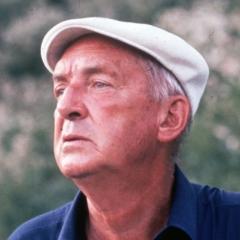
“We are absurdly accustomed to the miracle of a few written signs being able to contain immortal imagery, involutions of thought, new worlds with live people, speaking, weeping, laughing. We take it for granted so simply that in a sense, by the very act of brutish routine acceptance, we undo the work of the ages, the history of the gradual elaboration of poetical description and construction, from the treeman to Browning, from the caveman to Keats. What if we awake one day, all of us, and find ourselves utterly unable to read? I wish you to gasp not only at what you read but at the miracle of its being readable.”
Quote by Vladimir Nabokov
Pale firePale Fire is a 1962 novel by Vladimir Nabokov written as a long poem in four sections followed by a detailed commentary. The poem titled Pale Fire is attributed to the fictional poet John Shade, while the extensive notes are attributed to Charles Kinbote, a neighbor and self-proclaimed friend of Shade. The narrative structure creates profound ambiguity about what actually occurred, as the commentary increasingly reveals biases, inconsistencies, and personal preoccupations that conflict with the poem's surface meaning. The book explores themes of artistic creation, the nature of interpretation, exile from a lost homeland, and the fragility of meaning-making in the face of death. It is considered one of the most innovative novels of the twentieth century. more