Quotessence
Home / Quotes / Quote by Fernando Pessoa

Quote by Fernando Pessoa

“There are dreamed anguishes that are more real Than the ones life brings us, there are sensations Felt only by imagining Which are more ours than our own life is. There’s so often a thing which, not existing, Does exist, exists lingeringly And lingeringly is ours and us…”

Quote by Fernando Pessoa

Work

Selected poems

This book compiles a selection of poems that showcase the depth and diversity of the author's poetic voice, exploring a range of subjects and employing different literary techniques. more

Author

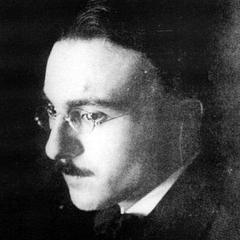
Fernando Pessoa
Fernando Pessoa

Portuguese poet known for his unique narrative style and rich inner world. Fernando Pessoa is considered one of the most influential writers of the 20th century, and his works are still widely studied and discussed today. more

You May Also Like

“My God, I can’t stand this! I can’t let you go out every day, fearing every minute that something might happen to you, knowing that every ounce of sanity I’ve got left is hinged on your well-being. I can’t feel this way…it’s too strong…oh, hell. I’ll turn into a raving lunatic. I’ll never be of use to anyone again. If I could just reduce it somehow…love you only half this much…I might be able to live with it.”

“Our whole culture is based on the appetite for buying, on the idea of a mutually favorable exchange. Modern man's happiness consists in the thrill of looking at the shop windows, and in buying all that he can afford to buy, either for cash or on installments. He (or she) looks at people in a similar way. For the man an attractive girl—and for the woman an attractive man—are the prizes they are after. 'Attractive' usually means a nice package of qualities which are popular and sought after on the personality market. What specifically makes a person attractive depends on the fashion of the time, physically as well as mentally. During the twenties, a drinking and smoking girl, tough and sexy, was attractive; today the fashion demands more domesticity and coyness. At the end of the nineteenth and the beginning of this century, a man had to be aggressive and ambitious—today he has to be social and tolerant—in order to be an attractive 'package'. At any rate, the sense of falling in love develops usually only with regard to such human commodities as are within reach of one's own possibilities for exchange. I am out for a bargain; the object should be desirable from the standpoint of its social value, and at the same time should want me, considering my overt and hidden assets and potentialities. Two persons thus fall in love when they feel they have found the best object available on the market, considering the limitations of their own exchange values. Often, as in buying real estate, the hidden potentialities which can be developed play a considerable role in this bargain. In a culture in which the marketing orientation prevails, and in which material success is the outstanding value, there is little reason to be surprised that human love relations follow the same pattern of exchange which governs the commodity and the labor market.”