“You felt, in spite of all bureaucracy and inefficiency and party strife something that was like the feeling you expected to have and did not have when you made your first communion. It was a feeling of consecration to a duty toward all of the oppressed of the world which would be as difficult and embarrasing to speak about as religious experience and yet it was as authentic as the feeling you had when you heard Bach, or stood in Chartres Cathedral or the Cathedral at León and saw the light coming through the great windows; or when you saw Mantegna and Greco and Brueghel in the Prado. It gave you a part in something that you could believe in wholly and completely and in which you felt an absolute brotherhood with the others who were engaged in it. It was something that you had never known before but that you had experienced now and you gave such importance to it and the reasons for it that you own death seemed of complete unimportance; only a thing to be avoided because it would interfere with the performance of your duty. But the best thing was that there was something you could do about this feeling and this necessity too. You could fight.”
Quote by Ernest Hemingway
Work
This classic novel delves into the intense experiences of a group of individuals during the tumultuous Spanish Civil War. The narrative follows Robert Jordan, an American dynamiter, as he navigates the complexities of love and the harsh realities of war. The story is rich with philosophical musings on the nature of life and death, making it a profound exploration of human existence. more
Author
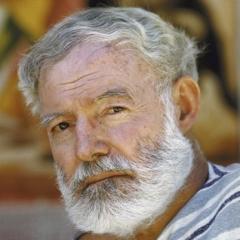
American author known for his concise and forceful writing style, as well as his profound insights into life. Hemingway's works cover a wide range of themes including war, adventure, and love, with notable titles such as 'The Old Man and the Sea' and 'A Farewell to Arms'. more
You May Also Like
“I Will Follow Anyone And Ask Everyone To Stand Together As One Civilisation Against Terrorism”