“I would not kill even a Bishop. I would not kill a proprietor of any kind. I would make them work each day as we have worked in the fields and as we work in the mountains with the timber, all of the rest of their lives. So they would see what man is born to. That they should sleep where we sleep. That they should eat as we eat. But above all that they should work. Thus they would learn.”
Quote by Ernest Hemingway
Work
For Whom the Bell Tolls
This classic novel delves into the intense experiences of a group of individuals during the tumultuous Spanish Civil War. The narrative follows Robert Jordan, an American dynamiter, as he navigates the complexities of love and the harsh realities of war. The story is rich with philosophical musings on the nature of life and death, making it a profound exploration of human existence. more
Author
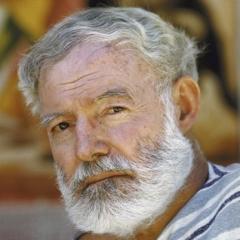
Ernest Hemingway
American author known for his concise and forceful writing style, as well as his profound insights into life. Hemingway's works cover a wide range of themes including war, adventure, and love, with notable titles such as 'The Old Man and the Sea' and 'A Farewell to Arms'. more
You May Also Like
“There's no more powerful too for safety than communication.”
Source: Artemis
Source: Essays
Source: The Business of Life
“The people who are best at any job have their own way of doing things.”
Source: Sold Down the River
“Dream up ways to allow your freedom to not be anchored to a job.”
Source: Dead Toad Scrolls
“Retire at 40! Grave should be the only place for retirement”
Source: chakravyuh The Land of the Paharias