Quotessence
Home / Quotes / Quote by Evelyn Waugh

Quote by Evelyn Waugh

“Civilization – and by this I do not mean talking cinemas and tinned food, nor even surgery and hygienic houses, but the whole moral and artistic organization of Europe – has not in itself the power of survival. It came into being through Christianity, and without it has no significance or power to command allegiance…That is the first discovery, that Christianity is essential to civilization and that it is in greater need of combative strength than it has been for centuries.”

Quote by Evelyn Waugh

Author
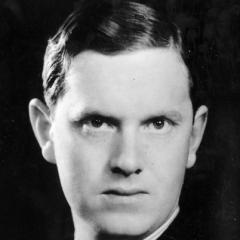
Evelyn Waugh
Evelyn Waugh

British writer known for his satirical and humorous style, with notable works including 'Vile Bodies' and 'Brideshead Revisited'. Waugh is renowned for his profound insights into 20th-century British society and culture. more

You May Also Like

“Depending on the contemporary mood, Orwell oscillates from Saint George to George the Seer to George the Sage. What other thinker has been both so fervidly claimed and derided by both the left and right? Who else except Kafka do we credit with having seen the sinister future? When the NSA spying scandal broke in June, Amazon sales of Orwell’s Nineteen Eighty-Four vaulted more than 6000 percent. The connection of Big Brother with the NSA might have been hysterical and spurious, but it was also testament to our sentimental, kneejerk affection for Orwell, to the fact that he remains the default scribe whenever our paranoia is fondled by the ominous machinations of realpolitik. The utter clarity and goodness of his intellect seem something of a miracle when one considers how many of his fellow writers botched the most pressing moral and political tests of their time. He could smell bullshit and blood a continent away: When a passel of leftist intellectuals was hailing the Soviet Union as humankind’s only hope, Orwell was persistent in pointing out that Stalin was a monocratic lunatic.”

“We were to write a short essay on one of the works we read in the course and relate it to our lives. I chose the "Allegory of the Cave" in Plato's Republic. I compared my childhood of growing up in a family of migrant workers with the prisoners who were in a dark cave chained to the floor and facing a blank wall. I wrote that, like the captives, my family and other migrant workers were shackled to the fields day after day, seven days a week, week after week, being paid very little and living in tents or old garages that had dirt floors, no indoor plumbing, no electricity. I described how the daily struggle to simply put food on our tables kept us from breaking the shackles, from turning our lives around. I explained that faith and hope for a better life kept us going. I identified with the prisoner who managed to escape and with his sense of obligation to return to the cave and help others break free.”