“Like Solon, Plato intended to write a long fable about legendary Atlantis; like Solon, he never did write it. Yet there existed beyond the Atlantic an unvisited land, after all, and it is more strange than any of Plato's myths that Plato's apprehension of order and justice should be a living influence among the people of that land, twenty-four centuries after the mystical philosopher's soul departed from Athens.”
Quote by Russell Kirk
Work
The Roots of American Order
This book delves into the origins and evolution of the American political system, examining the ideas and events that have influenced its development. It covers a range of topics, including the philosophical underpinnings of American democracy, the impact of historical events, and the contributions of key figures in shaping the nation's identity. more
Author
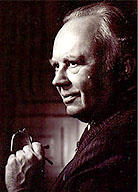
Russell Kirk
Russell Kirk, an American historian, was born in October 1918 and died on April 29, 1994. His research focused on conservative thought, American history, and culture, and had a profound impact on 20th-century American politics and culture. more
You May Also Like
Source: Waterfall
“Each of us has magic within us. We take our quirks from the universal store”
Source: Waterfall
Source: Waterfall
“No mortal is happy, and all men on earth who look upon the sun are wretched.”
Source: Power and Greed: A Short History of the World
“Öğüt verirken dostunuzu memnun etmeye değil, ona yardım etmeye çalışın.”
Source: Unbeatable: How Crispus Attucks Basketball Broke Racial Barriers and Jolted the World