“The new non-Dionysiac spirit is most clearly apparent in the endings of the new dramas. At the end of the old tragedies there was a sense of metaphysical conciliation without which it is impossible to imagine our taking delight in tragedy; perhaps the conciliatory tones from another world echo most purely in Oedipus at Colonus. Now, once tragedy had lost the genius of music, tragedy in the strictest sense was dead: for where was that metaphysical consolation now to be found? Hence an earthly resolution for tragic dissonance was sought; the hero, having been adequately tormented by fate, won his well-earned reward in a stately marriage and tokens of divine honour. The hero had become a gladiator, granted freedom once he had been satisfactorily flayed and scarred. Metaphysical consolation had been ousted by the deus ex machina.”
Quote by Friedrich Nietzsche
Book:The Birth of Tragedy
Work
The Birth of Tragedy
Friedrich Nietzsche's seminal work delves into the psychological and aesthetic aspects of tragedy, examining its role in human life and its influence on art and philosophy. more
Author
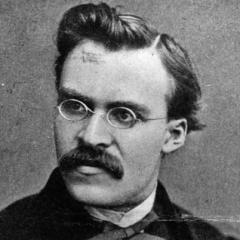
Friedrich Nietzsche
Friedrich Nietzsche was a German philosopher, cultural critic, poet, and writer whose works have had a profound impact on subsequent philosophy, literature, and thought. His ideas revolve around concepts such as the 'will to power', the 'Übermensch', and the 'eternal recurrence'. more
You May Also Like
Source: The Inn at the Edge of the World
Source: Everything Sad Is Untrue
Source: Sips And Little Portions
“A system that depends on heroes will eventually need rescuing.”
Source: The Art of Risk: How Smart Businesses Prevent Chaos Before It Happens
Source: Lula Dean's Little Library of Banned Books
“Her exquisiteness was intangible. She was my burning rose.”
Source: Lies We Extinguished: A Novel
Source: Super Ninja: The Sword of Heaven