“About eight days ago I discovered that sulfur in burning, far from losing weight, on the contrary, gains it; it is the same with phosphorus; this increase of weight arises from a prodigious quantity of air that is fixed during combustion and combines with the vapors. This discovery, which I have established by experiments, that I regard as decisive, has led me to think that what is observed in the combustion of sulfur and phosphorus may well take place in the case of all substances that gain in weight by combustion and calcination; and I am persuaded that the increase in weight of metallic calyxes is due to the same cause... This discovery seems to me one of the most interesting that has been made since Stahl and since it is difficult not to disclose something inadvertently in conversation with friends that could lead to the truth I have thought it necessary to make the present deposit to the Secretary of the Academy to await the time I make my experiments public.”
Quote by Antoine Lavoisier
Author
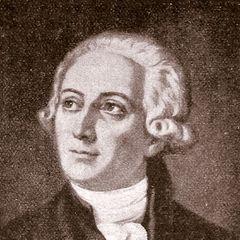
Antoine Lavoisier
Antoine Lavoisier (August 26, 1743 – May 8, 1794) was a French chemist, widely regarded as the father of modern chemistry. He disproved the phlogiston theory through quantitative experiments, identified the role of oxygen in combustion, and named oxygen and hydrogen. Lavoisier also reformed chemical nomenclature, making chemical language systematic. His book 'Elements of Chemistry' laid the foundation of modern chemistry. However, during the French Revolution, he was executed by guillotine due to his former role as a tax collector. more
You May Also Like
Source: The Poisoner's Handbook: Murder and the Birth of Forensic Medicine in Jazz Age New York
Source: The Apothecary’s House
Source: The Logical Alien: Conant and His Critics
“We savour on great memories of happy times.”
Source: Pearls of Wisdom: Great mind
“If you believe you can, then you will.”
Source: A Positive mind will make you Succeed: I am proof of that - Coach Ferreira
Source: Cosmos
Source: Escape from Freedom