“Tell me, as a pagan, who do you worship?' 'Worship?' 'That's right. I imagine you must have a pretty wide open field. So to whom do you set up your household altar? To whom do you bow down? To whom do you pray to at dawn and at dusk?' 'The female principle. It's an empowerment thing. You know.' 'Indeed. And this female principle of yours. Does she have a name?' 'She's the goddess within us all. She doesn't need a name.' 'Ah,' said Wednesday, with a wide monkey grin, 'so do you hold mighty bacchanals in her honour? Do you drink blood wine under the full moon, while scarlet candles burn in silver candle holders? Do you step naked into the seafoam, chanting ecstactically to your nameless goddess while the waves lick at your legs, lapping your thighs like the tongues of a thousand leopards?”
Quote by Neil Gaiman
Book:American Gods
Work
American Gods
A richly woven narrative that intertwines mythological figures with contemporary American life, examining themes of identity, culture, and the quest for belonging. more
Author
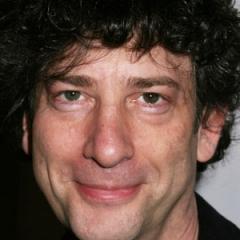
Neil Gaiman
Neil Gaiman, born on November 10, 1960, is a renowned British author. His works span across various genres including fantasy, horror, and science fiction, with notable titles such as 'American Gods' and 'Good Omens'. Gaiman's writing style is distinctive and has won him a dedicated fan base. more
You May Also Like
Source: Mrs Darley's Pagan Whispers: A Celebration of Pagan Festivals, Sacred Days, Spirituality and Traditions of the Year
Source: The Complete Idiot's Guide(R) to Women's Spirituality
Source: Mrs Darley's Pagan Whispers: A Celebration of Pagan Festivals, Sacred Days, Spirituality and Traditions of the Year
Source: The life and letters of Benjamin Franklin
Source: Mrs Darley's Pagan Whispers: A Celebration of Pagan Festivals, Sacred Days, Spirituality and Traditions of the Year
Source: Mrs Darley's Pagan Whispers: A Celebration of Pagan Festivals, Sacred Days, Spirituality and Traditions of the Year
Source: Pagan Origins of the Christ Myth
“Those who seek out the comfort of trees are usually on a journey for meaning, wisdom.”
Source: The Magic of Nature: Meditations & Spells to Find Your Inner Voice
Source: Mrs Darley's Pagan Whispers: A Celebration of Pagan Festivals, Sacred Days, Spirituality and Traditions of the Year