“In some [Southern States] the Union sentiment was so strong that it had to be suppressed by force. Maryland, Delaware, Kentucky and Missouri, all Slave States, failed to pass ordinances of secession; but they were all represented in the so-called congress of the so-called Confederate States. The Governor and Lieutenant-Governor of Missouri, in 1861, Jackson and Reynolds, were both supporters of the rebellion and took refuge with the enemy. The governor soon died, and the lieutenant-governor assumed his office; issued proclamations as governor of the State; was recognized as such by the Confederate Government, and continued his pretensions until the collapse of the rebellion. The South claimed the sovereignty of States, but claimed the right to coerce into their confederation such States as they wanted, that is, all the States where slavery existed. They did not seem to think this course inconsistent. The fact is, the Southern slave-owners believed that, in some way, the ownership of slaves conferred a sort of patent of nobility—a right to govern independent of the interest or wishes of those who did not hold such property. They convinced themselves, first, of the divine origin of the institution and, next, that that particular institution was not safe in the hands of any body of legislators but themselves.”
Quote by Ulysses S. Grant
Work
Personal Memoirs of U. S. Grant, Part 1
Browse quotes and source details for this work. more
Author
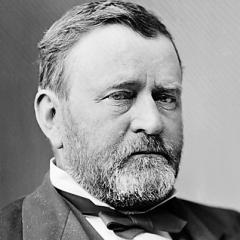
Ulysses S. Grant
Ulysses S. Grant was the 18th President of the United States, renowned for his military prowess during the Civil War. He served as the commander-in-chief of the Union Army and played a crucial role in the Northern victory. During his presidency, Grant focused on rebuilding the South and promoting a series of reforms. His leadership style and policy initiatives had a profound impact both during his time and in subsequent history. more
You May Also Like
Source: Negro President: Jefferson and the Slave Power
Source: Who Freed the Slaves?: The Fight over the Thirteenth Amendment
Source: The 10 Big Lies about America
Source: Harriet's Escape: Harriet Tubman Reimagined
Source: Harriet's Escape: Harriet Tubman Reimagined