Quotessence
Home / Quotes / Quote by Don Marquis

Quote by Don Marquis

“and before i could argue him out of his philosophy he went and immolated himself on a patent cigar lighter i do not agree with him myself i would rather have half the happiness and twice the longevity but at the same time i wish there was something i wanted as badly as he wanted to fry himself From the lesson of the moth”

Quote by Don Marquis

Work

Archy and Mehitabel

This book is a unique blend of poetry and narrative, exploring the humorous and touching relationship between Archy, a street-savvy cat, and Mehitabel, the woman who befriends him. The text is a series of conversations and anecdotes that delve into the lives of these two characters, offering a glimpse into their personalities and the world they inhabit. more

Author

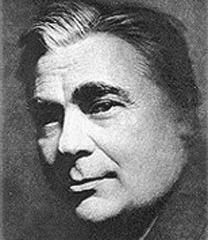
Don Marquis
Don Marquis

Don Marquis, an American humorist, was born on July 29, 1878, and died on December 29, 1937. He is known for his witty short stories and column articles, with his most famous work being the 'Archy and Mehitabel' series. more

You May Also Like

“I think of published poets that you could know of...I think [Rainer Maria Rilke] probably has the most great published poems of any poet [...] but Rilke himself was an asshole. If you look at his biography, he was probably misogynist; he was a liar, a cheat; he was a terrible father; he was selfish; he put people down; he had no consideration for anyone [...] yet, he transcends that in his greatest poems. There's that ineffable, spiritual quality - that he himself couldn't reach! But somewhere underneath that reptilian exterior, that asshole exterior of Rainer Maria Rilke, there was some good that came through – like these little sunbursts coming through clouds – that had that moment. And he'd write the Duino Elegies, he'd write the New Poems, and somewhere, that came through. And that's an amazing thing: you can have a lot of great people who are great individuals, who are loving and caring – and they can't do that. And that's not to say that their lives are meaningless, but they will never be able to affect anyone past the propinquity of their existence. They are never going to be able to affect someone in China; they are never going to be able to affect someone in 2132 the way Rilke can. And that specialness needs to be acknowledged; that specialness needs to be upheld; it needs to be rewarded, and people need to say, 'Goddamn – that's a good thing! It's a good thing that people make art!”