“Dantès n'avait point changé de place. Une main de fer semblait l'avoir cloué à l'endroit où la veille il s'était arrêté: seulement son oeil profond se cachait sous une enflure causée par la vapeur humide de ses larmes. Il était immobile et regardait la terre.”
Quote by Alexandre Dumas
Work
The Count of Monte Cristo
This classic novel follows Edmond Dantès, a young sailor unjustly imprisoned for a crime he did not commit. After his release, he discovers a hidden treasure on the island of Monte Cristo and uses his newfound wealth to exact revenge on those who betrayed him. more
Author
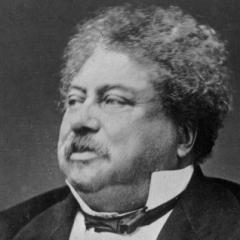
Alexandre Dumas
Alexandre Dumas, a renowned French writer, was born on July 24, 1802, and died on December 5, 1870. He is famous for his historical and adventure novels, with notable works including 'The Three Musketeers' and 'The Count of Monte Cristo'. more
You May Also Like
“These are just ghosts that broke my heart before I met you.”
“Fortunate are those who are loved back Even fortunate those whose love is cul”
Source: Stardust and Star Jumps: A Motivational Guide to Help You Reach Toward Your Dreams, Goals, and Life Purpose
Source: Safe: The Places I Go In My Head To Feel Acceptance & Peace
Source: My Mistake: Pregnant by My Student as Told by Axel Knox
Source: Somewhere
Source: The Ego and Its Own
Source: I Am