Quotessence
Home / Quotes / Quote by Charles Dickens

Quote by Charles Dickens

“It may be, that in the sight of Heaven, you are more worthless and less fit to live than millions like this poor man's child. Oh God! to hear the Insect on the leaf pronouncing on the too much life among his hungry brothers in the dust”

Quote by Charles Dickens

Work

A Christmas Carol

Charles Dickens' 'A Christmas Carol' is a novella that explores themes of greed, charity, and the spirit of giving. The story follows Ebenezer Scrooge, a miserly and cold-hearted businessman, who is visited by the ghost of his deceased business partner, Jacob Marley, and three spirits: the Ghost of Christmas Past, the Ghost of Christmas Present, and the Ghost of Christmas Yet to Come. Through these encounters, Scrooge is shown the errors of his ways and is ultimately transformed into a more compassionate and generous individual. more
Author

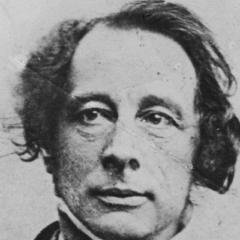
Charles Dickens
Charles Dickens

Charles Dickens, a British writer born on February 7, 1812, and died on June 9, 1870, is one of the greatest novelists of the 19th century. Known for his profound social criticism and vivid narrative style, Dickens' works extensively cover social reality, revealing various issues in the British society of the time. more

You May Also Like

“Messieurs, ce budget des abus que je viens de mettre sous vos yeux, cet argent que je viens de détailler, ces millions que je viens d'énumérer, ce monstrueux superflu des dépenses inutiles ou nuisibles, savez-vous ce que c'est ? C'est le nécessaire de plusieurs millions d'hommes ! C'est le sang des malheureux ! c'est le lit de ceux qui couchent sur la paille ! c'est le toit de ceux qui n'ont pas d'abri, c'est la chaussure de ceux qui vont pieds nus, c'est le vêtement de ceux qui sont en haillons, c'est l'air de ceux qui sont dans les caves, c'est le feu de ceux qui ont froid, c'est le pain de ceux qui ont faim, c'est la vie de ceux qui meurent !”

“The most terrible poverty, however, even when it strikes a proletariat numbering in the many millions, is not a sufficient guarantee of revolution. Nature has given man an astonishing and, indeed, sometimes despairing, patience, and the devil knows what he will not endure when, along with poverty that condemns him to unheard-of privations and slow starvation, he is also endowed with obtuseness, emotional numbness, lack of any consciousness of his rights, and the kind of imperturbability and obedience that particularly characterize the east Indians and the Germans, among all nations. Such a fellow will never take heart; he will die, but he will not rebel.”