“We would sit down fifteen, sometimes twenty, to the table on seder nights: my parents; the maiden aunts - Birdie, Len, and before the war, Dora, sometimes Annie; cousins of varying degree, visiting from France or Switzerland; and always a stranger or two would come. There was a beautiful, embroidered tablecloth which Annie had brought us from Jerusalem, gleaming white and gold on the table. My mother, knowing that sooner or later there would be accidents, always had a preemptive "spill" herself - she would manage somehow, very early in the evening, to tip a bottle of red wine onto the tablecloth, and thereafter no guest would be embarrassed if they knocked over a glass. Though I know she did this deliberately, I could never predict how or when the "accident" would occur; it always looked absolutely spontaneous and authentic. (She would immediately spread salt on he wine stain, and it became much paler, almost disappearing; I wondered why salt had this power.)”
Quote by Oliver Sacks
Book:Uncle Tungsten
Work
Uncle Tungsten
Browse quotes and source details for this work. more
Author
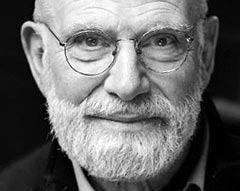
Oliver Sacks
Oliver Sacks was a renowned neurologist known for his profound insights into the human brain and nervous system. His work delved into the relationship between brain diseases and human behavior, revealing the fascinating world of neuroscience to readers. more
You May Also Like
“Lamp burns through the inputs of small oil drops. Compassion grows through small acts of kindness.”
Source: Walking the Path of Compassion
“Compassion is contagious. Every moment we choose compassion, we move towards a better world.”
Source: Walking the Path of Compassion
“A little consideration makes all the difference.” —Eeyore”
Source: Christopher Robin: The Little Book of Poohisms: With help from Piglet, Eeyore, Rabbit, Owl, and Tigger, too!
Source: The Doughnut Fix
Source: Solaris
“Mom once said that with kindness, you’re able to fix almost anything.”
Source: Speaking Up for Each Other: A Collection of Short Stories for Tweens and Middle Grade Readers