“I got to my place late one night. I was really beat. Getting that key out and into the door was about the last of me. I walked into the bedroom and there was Fay in bed reading the New Yorker and eating chocolates. She didn't even say hello. I walked into the kitchen and looked for something to eat. There was nothing in the refrigerator. I decided to pour myself a glass of water. I walked to the sink. It was stopped-up with garbage. Fay liked to save empty jars and jar lids. The dirty dishes filled half the sink and on top of the water, along with a few paper plates, floated these jars and jar lids. I walked back into the bedroom just as Fay was putting a chocolate in her mouth. "Look, Fay," I said, "I know you want to save the world. But can't you start in the kitchen ?" "Kitchens aren't important," she said.”
Quote by Charles Bukowski
Book:Post Office
Work
Post Office
In this novel, the reader is immersed in the daily routines and interpersonal dynamics of a post office in the United States. The story delves into the mundane aspects of life, highlighting the challenges and routines faced by the post office staff. The narrative explores themes of bureaucracy, the impact of daily routines on personal lives, and the search for meaning in the ordinary. more
Author
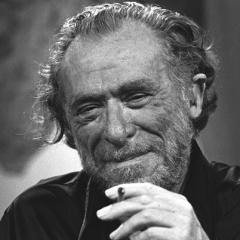
Charles Bukowski
Charles Bukowski, born on August 16, 1920, was an influential American poet. Known for his unique style and profound depiction of the lives of the underclass in America, he is considered one of the representatives of the Beat Generation. more
You May Also Like
Source: Educated
Source: Broken Halves of a Milky Sun: Poems
Source: What It Means When a Man Falls from the Sky
“Branded Wear by Fatima – Women Clothing Brands in Pakistan”
Source: Mother Mary Comes to Me
Source: Cleopatra: A Life
Source: Cleopatra: A Life