Quotessence
Home / Quotes / Quote by Alessandro Manzoni

Quote by Alessandro Manzoni

“And sad memories eventually spoil thoughts of the places that recall them. And if they happen to be our birthplaces, those memories are liable to be even harsher and more poignant. (644)”

Quote by Alessandro Manzoni

Author
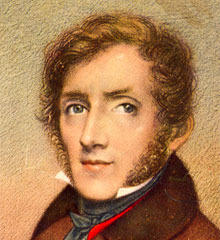
Alessandro Manzoni
Alessandro Manzoni

Alessandro Manzoni, born on March 7, 1785, and died on May 22, 1873, was an important figure in the Romanticism movement of Italian literature. He is renowned for his poetry and novels, with his masterpiece 'I Promessi Sposi' being considered a classic of Italian literature. more

You May Also Like

“The becoming attitude for us to take is that of godly fear, implicit obedience, and unreserved resignation and submission. But not only so: the recognition of the sovereignty of God, and the realization that the Sovereign Himself is my Father, ought to overwhelm the heart and cause me to bow before Him in adoring worship. At all times I must say “Even so, Father, for so it seemeth good in Thy sight.”

“Known unto God are all His works from the beginning of the world” (Acts 15:18). From the beginning God purposed to glorify Himself “in the Church by Christ Jesus, throughout all ages, world without end” (Eph. 3:21). To this end, He created the world, and formed man. His all-wise plan was not defeated when man fell, for in the Lamb “slain from the foundation of the world” (Rev. 13:8) we behold the Fall anticipated. Now will God’s purpose be thwarted by the wickedness of men since the Fall, as is clear from the words of the psalmist, “Surely the wrath of man shall praise Thee: the remainder of wrath shalt Thou restrain” (Ps. 76:10).”

“Thi enhver Skribent kand nu agere Comoedie Skriver og ingen frygter at see sit Arbeide spildt, i hvor mavert, elendigt og ilde sammenhængende det end er naar han tager den Præcaution at det endes med Sang og Dantz, hvilket man og seer at vor Alders Autores nøye i agttage. Man seer heraf, at en forderved Smag ogsaa har sin Nytte i Verden, og at det, som jeg derom skiemteviis har skrevet udi mine Moralske Tanker er ikke gandske ugrundet.”

“Ingen kand dømme om et Skuespill, uden den der haver udstuderet et Theatrum, og af Erfarenhed mærket, hvad Virkning en Comoedie giør paa Skue-Pladsen: Og, naar saa er, kand man ikke meget reflectere paa deres Domme, der sidde hiemme og criticere udi deres Skriver-Stuer, uden at have seet et Skuespills Forestilning; thi de samme kand ikke dømme uden om Stilen, om Moralske Sententzer, og et Stykkes Regularitet, da Erfarenhed lærer, at en Comoedie, som efter alle Academiske Regler er indretted, dog ingen Comoedie er. Thi mangt et Skuespill, som ved Læsning synes at være af ingen Betydelse, haver den fortreffeligste Virkning paa Skue-Pladsen. Et Skuespils Vægt og Gyldighed grunder sig derfor ikke paa lærde Journalisters Critiqver, men paa Tilskuernes Applausu: naar jeg siger Tilskuerne, meener jeg alleene saadanne, som have en naturlig og ufordærved Smag.”