“Poverty can’t make you miserable; only a bad character and a weak spirit can do that.”
Quote by John Taylor Gatto
Work
The Underground History of American Education: An Intimate Investigation Into the Prison of Modern Schooling
Browse quotes and source details for this work. more
Author
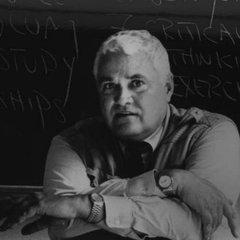
John Taylor Gatto
John Taylor Gatto is an American author known for his critical analysis of the educational system. Born on December 15, 1935, he is a former public school teacher who gained national attention for refusing to comply with bureaucratic regulations in education. Gatto's work emphasizes the importance of educational freedom and personal responsibility. more
You May Also Like
“We couldn’t afford the luxury of wants. We had needs.”
Source: The Selection
Source: Seeking Refuge: On the Shores of the Global Refugees Crisis
Source: Doctor Who: The Man in the Velvet Mask
“Luxury! more perilous to youth than storms or quicksand, poverty or chains.”
“America is a third world country. Trailer parks are America's favelas.”
Source: American Fascism: A German Writer's Urgent Warning To America
Source: A Manual for Cleaning Women: Selected Stories
Source: Gendered States of Punishment and Welfare
Source: Gigolo: Inside the Secret World of the Super Rich