“But we reservation Indians don’t get to realize our dreams. We don’t get those chances. Or choices. We’re just poor. That’s all we are. It sucks to be poor, and it sucks to feel that you somehow deserve to be poor. You start believing that you’re poor because you’re stupid and ugly. And then you start believing that you’re stupid and ugly because you’re Indian. And because you’re Indian you start believing you’re destined to be poor. It’s an ugly circle and there’s nothing you can do about it. Poverty doesn’t give you strength or teach you lessons about perseverance. No, poverty only teaches you how to be poor.”
Quote by Sherman Alexie
Work
The Absolutely True Diary of a Part-Time Indian
This novel is a candid and humorous account of a teenager's journey as he navigates the complexities of his identity and his place in the world. The protagonist, a young Native American, faces the challenges of transitioning from a reservation school to a predominantly white high school, while grappling with his own cultural heritage and the expectations of his family. more
Author
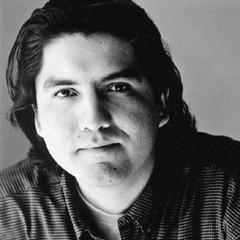
Sherman Alexie
Sherman Alexie is an American poet, writer, and actor, known for his works that reflect the life of Native Americans. He was born on October 7, 1966, and grew up in the Confederated Tribes of the Umatilla Indian Reservation in Rainier, Washington. more
You May Also Like
“...she fell into a long sleep, and dreamed he dreams of the dream tree.”
Source: The Dream Tree
Source: Clouds End
Source: Reading Lolita in Tehran: A Memoir in Books
Source: The Illustrated Man
Source: Ruin and Rising
“Her passions were narrow but deep.”
Source: Song Of Solomon
Source: Dragonsong
Source: The Wind-Up Bird Chronicle