Quotessence
Home / Quotes / Quote by Fernando Pessoa

Quote by Fernando Pessoa

Work

The Book of Disquiet

Written by Fernando Pessoa, this work is a collection of fragments and thoughts that delve into the human condition, offering a unique perspective on the complexities of life and consciousness. more
Author

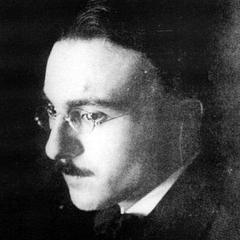
Fernando Pessoa
Fernando Pessoa

Portuguese poet known for his unique narrative style and rich inner world. Fernando Pessoa is considered one of the most influential writers of the 20th century, and his works are still widely studied and discussed today. more

You May Also Like

“The words of the true poems give you more than poems, They give you to form for yourself poems, religions, politics, war, peace, behavior, histories, essays, daily life, and everything else, They balance the ranks, colors, races, creeds, and the sexes, They do not seek beauty, they are sought, Forever touching them or close upon them follows beauty, longing, fain, love-sick. They prepare for death, yet they are not the finish, but rather the outset, They bring none of his or her terminus or to be content and full, Whom they take they take into space to behold the birth of the stars, to learn one of the meanings, To launch off with absolute faith, to sweep through the ceaseless rings and never be quiet again.”

“To love is a natural instinct. To be loved is “something”. To be loved like crazy, like their life depends on you is a once-in-a-lifetime feeling. How many of us can keep their right hand on their heart and say that they have actually experienced something like that? Not many, I guess. Because you know what, once-in-a-lifetime moments, well, come once in a lifetime. You either have to extremely, enormously and tremendously lucky or have to manage to fascinate a poet or a painter or someone really very naïve or mentally unsound.”

“I am alive to a usual objection to what is clearly part of my programme for the metier of poetry. The objection is that the doctrine requires a ridiculous amount of erudition (pedantry), a claim which can be rejected by appeal to the lives of poets in any pantheon. It will even be affirmed that much learning deadens or perverts poetic sensibility. While, however, we persist in believing that a poet ought to know as much as will not encroach upon his necessary receptivity and necessary laziness, it is not desirable to confine knowledge to whatever can be put into a useful shape for examinations, drawing rooms, or the still more pretentious modes of publicity. Some can absorb knowledge, the more tardy must sweat for it. Shakespeare acquired more essential history from Plutarch than most men could from the whole British Museum. What is to be insisted upon is that the poet must develop this consciousness throughout his career. What happens is a continual surrender of himself as he is at the moment to something which is more valuable. The progress of an artist is a continual self-sacrifice, a continual extinction of personality.”