“Ian saw the tears shimmering in her magnificent eyes and one of them traced unheeded down her smooth cheek. With a raw ache in his voice he said, "If you would take one step forward, darling, you could cry in my arms. And while you do, I'll tell you how sorry I am for everything I've done - " Unable to wait, Ian caught her, pulling her tightly against him. "And when I'm finished," he whispered hoarsely as she wrapped her arms around him and wept brokenly, "you can help me find a way to forgive myself." Tortured by her tears, he clasped her tighter and rubbed his jaw against her temple, his voice a ravaged whisper: "I'm sorry," he told her. He cupped her face between his palms, tipping it up and gazing into her eyes, his thumbs moving over her wet cheeks. "I'm sorry." Slowly, he bent his head, covering her mouth with his. "I'm so damned sorry.”
Quote by Judith McNaught
Book:Almost Heaven
Work
Almost Heaven
This book delves into the lives of its characters as they navigate the complexities of relationships and the natural world around them, offering a poignant and reflective narrative. more
Author
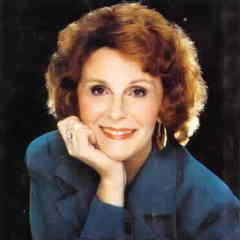
Judith McNaught
Judith McNaught, born on May 10, 1944, is a renowned American romance novel author. Her works are known for their rich emotions and engaging plots, which have won her a large following among readers. more
You May Also Like
“Shrinking in a corner, pressed into the wall; do they know I'm present, am I here at all?”
Source: Love & Misadventure
Source: The Amazing Adventures of Kavalier & Clay
“We lose ourselves in things we love. We find ourselves there, too.”
Source: You Don't Know Me
“They say the soul cannot rest until it finds its match. Then it ignites.”
Source: We Free the Stars
Source: Tiny Beautiful Things: Advice on Love and Life from Dear Sugar
“Man is least himself when he talks in his own person. Give him a mask and he'll tell you the truth”