“And at this very moment, like a miracle, the rail-bus appeared. We waved our arms frantically, hardly daring to hope that it would stop. It did stop. We scrambled thankfully on board. That is the irony of travel. You spend your boyhood dreaming of a magic, impossibly distant day when you will cross the Equator, when your eyes will behold Quito. And then, in the slow prosaic process of life, that day undramatically dawns—and finds you sleepy, hungry and dull. The Equator is just another valley; you aren’t sure which and you don’t much care. Quito is just another railroad station, with fuss about baggage and taxis and tips. And the only comforting reality, amidst all this picturesque noisy strangeness, is to find a clean pension run by Czech refugees and sit down in a cozy Central European parlor to a lunch of well-cooked Wiener Schnitzel.”
Quote by Christopher Isherwood
Work
The Condor And The Cows: A South American Travel Diary
Browse quotes and source details for this work. more
Author
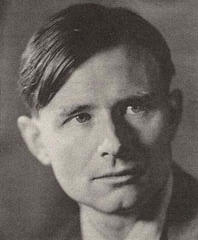
Christopher Isherwood
Christopher Isherwood is a renowned British novelist known for his profound portrayals of life in London and Berlin during the mid-20th century. His works often explore social change, personal identity, and moral dilemmas. more
You May Also Like
Source: Ruthless Shadow
“Billie was hoping to get these two alive but was feeling rapidly less stuck on the idea.”
Source: The War Widow
Source: The War Widow
Source: The War Widow
Source: My Friend Maigret
Source: The End of My Life
“Purpose leads, Love envelops and Hope supports but Faith always carries me.”
Source: Radio: The Fifth Estate
Source: The Phantom Shark
Source: Essays After Eighty