“I could see the road ahead of me. I was poor and I was going to stay poor. But I didn’t particularly want money. I didn’t know what I wanted. Yes, I did. I wanted someplace to hide out, someplace where one didn’t have to do anything. The thought of being something didn’t only appall me, it sickened me. The thought of being a lawyer or a councilman or an engineer, anything like that, seemed impossible to me. To get married, to have children, to get trapped in the family structure. To go someplace to work every day and to return. It was impossible. To do things, simple things, to be part of family picnics, Christmas, the 4th of July, Labor Day, Mother’s Day … was a man born just to endure those things and then die? I would rather be a dishwasher, return alone to a tiny room and drink myself to sleep.”
Quote by Charles Bukowski
Work
Ham On Rye is a narrative that delves into the early life of its protagonist, detailing his struggles and experiences during a challenging period in American history. The story is a candid look at the hardships faced by a young boy in the 1930s, offering a glimpse into the resilience and determination required to overcome adversity. more
Author
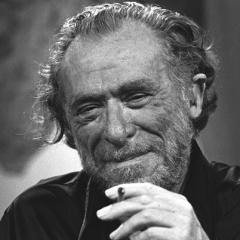
Charles Bukowski, born on August 16, 1920, was an influential American poet. Known for his unique style and profound depiction of the lives of the underclass in America, he is considered one of the representatives of the Beat Generation. more
You May Also Like
“En la lucha del Bien contra el Mal, siempre es el pueblo quien pone los muertos.”
“The problem with mankind is we too often find our souls to be a fair price for power.”